Newsletter Subscribe
Enter your email address below and subscribe to our newsletter
Enter your email address below and subscribe to our newsletter

 ByJohn A
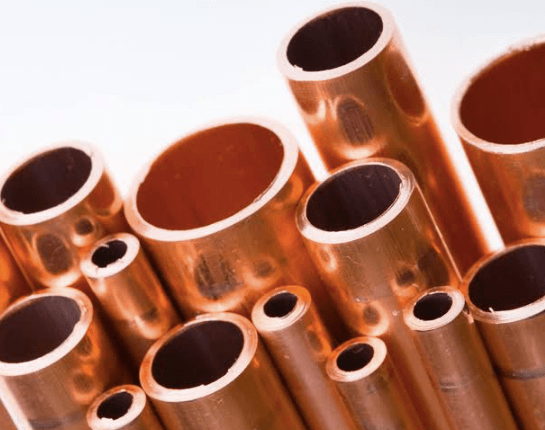
Copper remains the material of choice for refrigerant lines across most residential and light commercial HVAC systems, and understanding the practical considerations around HVAC installation copper pipe helps both installers and property owners avoid avoidable problems down the road.
Copper’s combination of corrosion resistance, ease of forming, and reliable performance under the pressure and temperature ranges typical of refrigerant systems has kept it the standard material for decades. While alternative materials exist for specific applications, copper remains the default choice for the vast majority of residential and commercial installations.
Refrigerant-grade copper pipe, often referred to as ACR tubing, differs from standard plumbing copper in terms of cleanliness and sizing tolerances. Using the correct grade matters because contamination or inconsistent diameter can interfere with refrigerant flow and long-term system reliability.
Contractors sourcing material for new installations often compare suppliers offering HVAC installation copper pipe in pre-cut lengths suited to common residential system configurations.
Inadequate purging with nitrogen during brazing can leave oxidation deposits inside the pipe, which later circulate through the system and can damage compressor components. Similarly, improper flaring or over-tightening connections are frequent sources of slow refrigerant leaks that are difficult to diagnose after the fact.
Is refrigerant-grade copper pipe different from regular plumbing copper?
Yes, it is manufactured and cleaned to tighter tolerances specifically for refrigerant applications, and substituting standard plumbing copper is not recommended.
See also: IV Set Options: How Manufacturers Differentiate Their Product Lines
How important is nitrogen purging during installation?
Very important. Purging prevents oxidation inside the pipe during brazing, which protects the system’s internal components from contamination over its operating life.
Can copper pipe be reused if a system is replaced?
In some cases existing line sets can be reused if they are in good condition and properly sized for the new system, though this should be evaluated by a qualified technician.
Getting the copper pipe details right during installation is one of those unglamorous but essential steps that determines how reliably an HVAC system performs for years afterward. Careful material selection and proper technique go a long way toward avoiding future service calls.